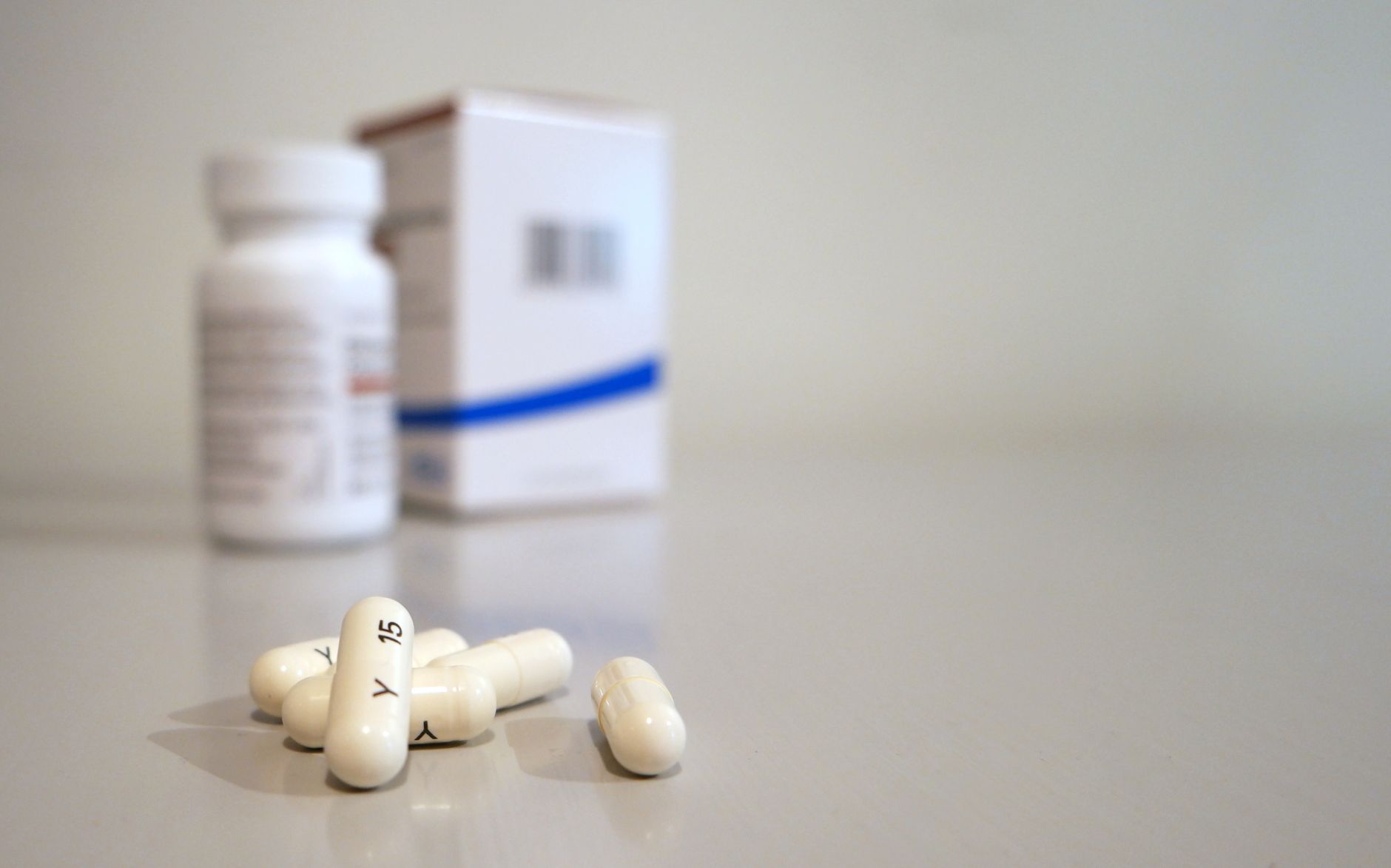
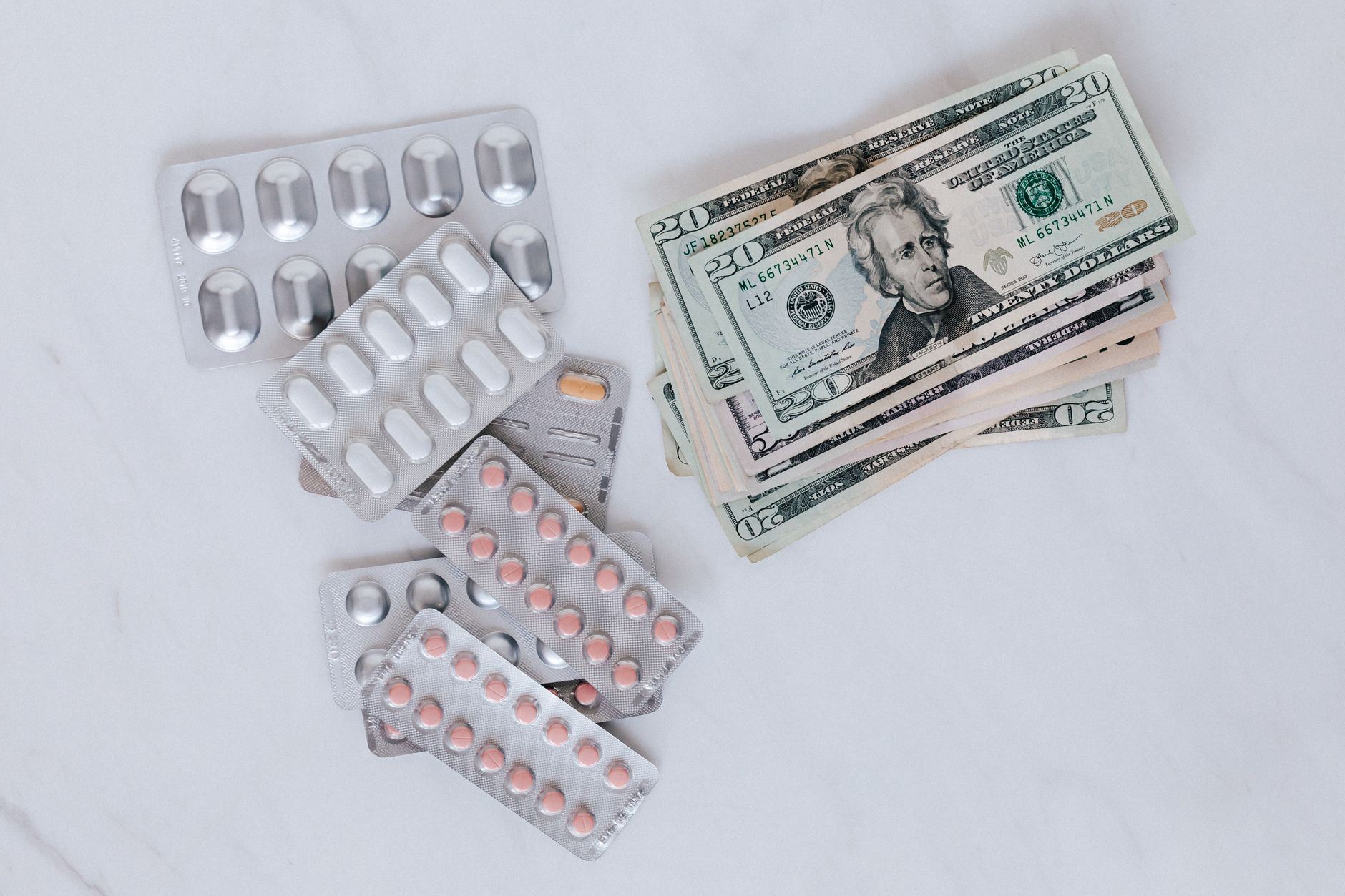
cancer medicine prices are about to change dramatically as trade margins are fixed at 30%. Starting November 9, retail prices may drop by as much as 70%.
Impact of Trade Margin on Cancer Medicines
The recent decision to fix the trade margin at 30% on 137 cancer medicines is poised to significantly impact the prices of these essential treatments. As a result, retail prices are expected to drop by up to 70% starting from November 9. This change aims to make cancer medicine more accessible to patients in need, alleviating the financial burden associated with these critical therapies.
Patients and healthcare advocates have long expressed concerns over the high costs of cancer medicines, which often lead to difficult choices regarding treatment options. With the new pricing structure, it is anticipated that more patients will be able to afford necessary medications without compromising their financial stability.
Key points regarding the impact of the fixed trade margin include:
- Increased Accessibility: Lower prices are expected to improve access to essential cancer treatments for a larger segment of the population.
- Enhanced Competition: A reduction in prices could encourage competition among pharmacies, potentially leading to further decreases in costs.
- Long-term Effects: Sustained lower prices may influence the overall market for cancer medicines, prompting manufacturers to reconsider pricing strategies.
Overall, the anticipated drop in cancer medicine prices represents a significant step toward improving healthcare affordability and patient outcomes in the fight against cancer.
Expected Price Reductions for Patients
As the healthcare landscape evolves, patients can anticipate a significant change in the cost of their cancer treatment. Starting from November 9, 2023, the retail prices of 137 cancer medicines are expected to drop by up to 70%. This reduction is largely attributed to the newly fixed trade margin of 30% imposed on these essential medications.
The implications of this price cut are profound, especially for individuals battling cancer. Many patients have long struggled with the exorbitant costs associated with cancer medicine, often leading to financial strain and, in some cases, delayed treatments. With these expected price reductions, more patients will have access to necessary therapies, improving treatment adherence and overall health outcomes.
Key points regarding the expected price reductions include:
- Increased Accessibility: More patients will be able to afford their medications.
- Financial Relief: The expected drop in prices could alleviate the financial burden on families affected by cancer.
- Encouragement for Early Treatment: Lower prices may encourage patients to seek treatment sooner rather than later.
This anticipated change in cancer medicine prices marks a significant step towards making crucial treatments more affordable and accessible for all patients in need.
Government Regulations on Drug Pricing
The recent decision by the government to regulate drug pricing has sparked significant interest among patients and healthcare providers alike. With the trade margin fixed at 30% for 137 cancer medicines, a clear drop in prices is anticipated, potentially reaching up to 70% from November 9 onwards.
This regulatory move aims to make cancer medicine more affordable and accessible for patients who often face high treatment costs. By capping the trade margin, the government hopes to reduce the overall expenditure on these vital medications, ensuring that patients do not have to choose between financial stability and the necessary treatments.
Furthermore, the introduction of these regulations is expected to bring about enhanced transparency in the pricing of cancer medicines. Patients will benefit from a clearer understanding of the costs associated with their treatments, allowing for better financial planning and decision-making.
Stakeholders in the healthcare sector, including pharmaceutical companies and healthcare providers, are closely monitoring these developments. They argue that while lower prices are beneficial for patients, it is crucial to maintain a balance that does not hinder innovation and the availability of new cancer treatments. As the implementation date approaches, the industry is preparing for the shifts in pricing dynamics that will result from these new regulations.
In summary, the adjustments to cancer medicine prices are expected to have a profound impact on patient care and overall healthcare expenditure.
Future of Cancer Treatment Affordability
The landscape of cancer treatment affordability is poised for a significant transformation following recent regulatory changes aimed at lowering cancer medicine prices. As the trade margin has been fixed at 30% for 137 cancer medicines, patients can anticipate a remarkable reduction in costs. This policy shift is expected to enhance access to essential treatments for many individuals battling cancer, who have long faced financial burdens associated with high medication prices.
With the introduction of these price caps, it is crucial to analyze how this will affect patient outcomes and overall healthcare costs. Many experts believe that the reduction in cancer medicine prices could lead to an increase in treatment adherence, as patients will be more likely to afford their prescriptions. Furthermore, this could alleviate some of the financial stress that families experience when a loved one is diagnosed with cancer.
In addition to the immediate benefits, the long-term implications of these changes could reshape the pharmaceutical market. Increased competition among manufacturers is likely as companies strive to offer affordable options. Patients may soon have access to a broader range of treatment choices at lower prices, transforming the way cancer is managed.
Ultimately, the commitment to reducing cancer medicine prices could result in a more equitable healthcare system, where life-saving treatments are accessible to all, regardless of financial status.
Experts predict that cancer medicine prices will become significantly more affordable, with a clear drop of up to 70% expected in the coming years. This reduction in cancer medicine prices could greatly improve access to essential treatments for patients worldwide.
Photo by https://kaboompics.com/ on Pexels