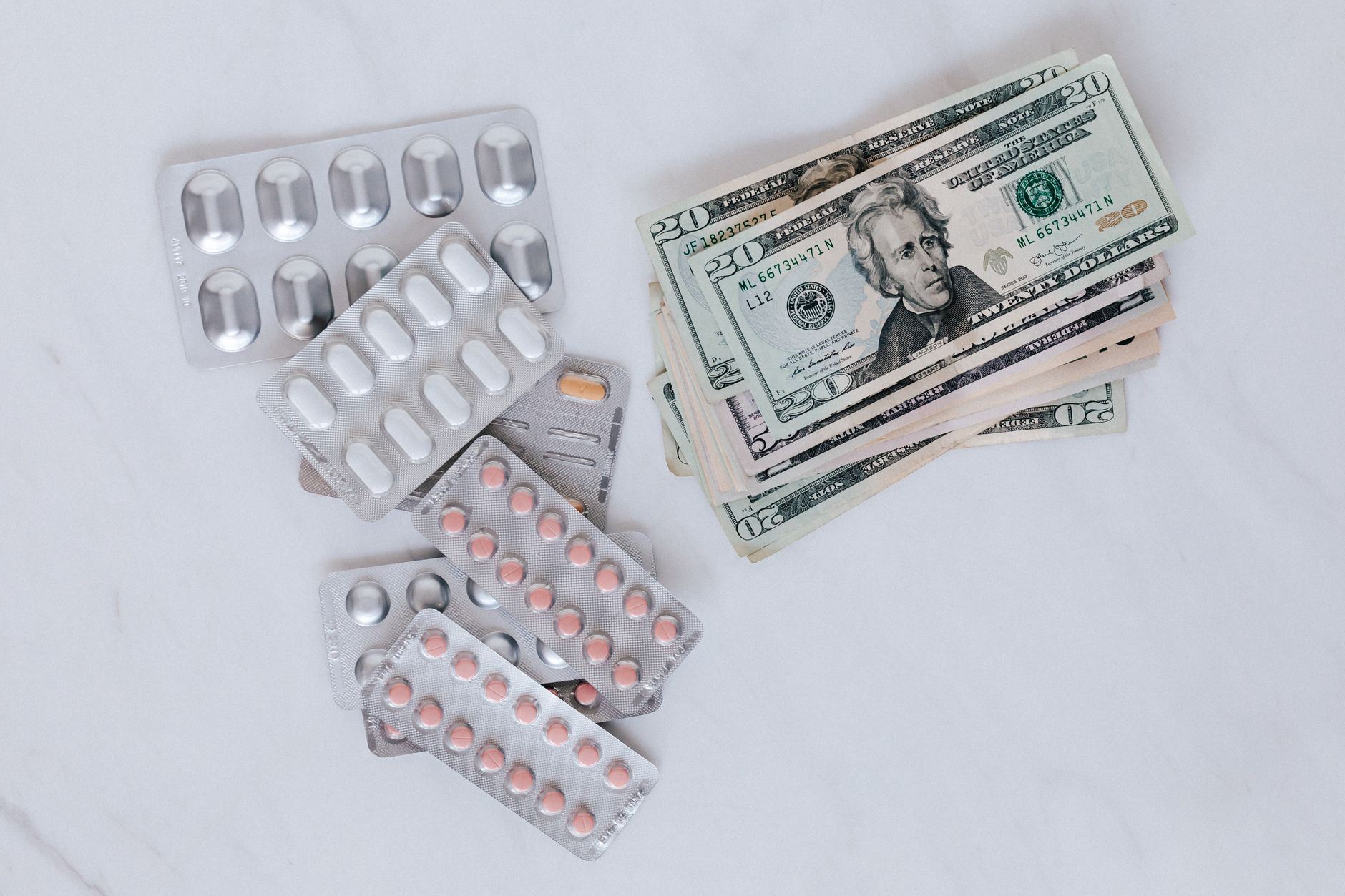

cancer drugs price cap is a significant step towards making essential medications more affordable for patients in India. This new rule aims to reduce the financial burden associated with cancer treatments.
Understanding the cancer drugs price cap
The recent implementation of the cancer drugs price cap in India has sparked discussions among patients, healthcare providers, and policymakers. This regulation aims to make life-saving medications more affordable for those battling cancer, ensuring that financial constraints do not hinder access to necessary treatments.
Under this new rule, the government has established a limit on the prices that pharmaceutical companies can charge for various cancer drugs. This is particularly significant given the soaring costs of cancer treatment, which can often lead to significant financial strain for patients and their families.
To better understand how this price cap will affect patients, consider the following key points:
- Increased Accessibility: More patients will be able to access essential medications without the burden of exorbitant costs.
- Encouragement for Generic Medicines: The price cap may lead to an increase in the availability of generic alternatives, driving down overall treatment costs.
- Improved Treatment Adherence: With lower prices, patients are more likely to complete their treatment regimens, leading to better health outcomes.
- Potential Impact on Pharmaceutical Innovation: While some argue that price caps could stifle innovation, others believe it will encourage companies to focus on developing more affordable solutions.
Overall, the cancer drugs price cap represents a significant step towards equitable healthcare for all patients.
Impact on patient medication costs
The implementation of the cancer drugs price cap is expected to significantly impact patient medication costs across the country. By regulating the prices of essential cancer medications, the new rule aims to alleviate the financial burden faced by patients and their families.
Patients often struggle with the high costs associated with cancer treatment, leading many to abandon necessary therapies. With the price cap in place, several benefits are anticipated:
- Increased Accessibility: Lower prices will allow more patients to access life-saving drugs without the fear of financial ruin.
- Improved Treatment Adherence: Patients are more likely to follow through with their treatment plans when medications are affordable, potentially leading to better health outcomes.
- Reduced Out-of-Pocket Expenses: Families will face less financial strain, enabling them to focus on care rather than costs.
- Encouragement of Generic Alternatives: The price cap may stimulate the production of generic versions, further driving down costs.
Overall, the cancer drugs price cap represents a significant step towards ensuring that all patients have the opportunity to receive the treatments they need without overwhelming financial worries.
How will the price cap affect drug availability?
The implementation of a cancer drugs price cap is set to have significant implications for drug availability across the country. By limiting the prices that pharmaceutical companies can charge for cancer medications, the new regulation aims to enhance access for patients who desperately need these life-saving treatments.
One of the primary concerns with any price control mechanism is the potential impact on the supply of medications. However, experts believe that the cancer drugs price cap may actually encourage manufacturers to maintain or even increase their production levels. This is because a predictable pricing structure can lead to stable demand from healthcare providers and patients alike.
Additionally, the price cap could stimulate competition among drug manufacturers. With more companies striving to offer affordable options, patients may benefit from a wider variety of treatments. This increased competition can lead to innovation as well, as companies seek to differentiate their products in a market where prices are regulated.
However, it is crucial to monitor the situation closely. While the price cap holds promise for improving access to cancer drugs, it must be balanced with the need to ensure that pharmaceutical companies can still invest in research and development for new therapies.
Frequently asked questions about the new rule
As the implementation of the cancer drugs price cap progresses, many patients and healthcare professionals have questions. Here are some frequently asked questions about the new rule:
- What is the cancer drugs price cap? The price cap is a regulatory measure aimed at limiting the costs of cancer medications, making them more affordable for patients.
- Who will benefit from the price cap? The primary beneficiaries are cancer patients who often face exorbitant medication costs. This rule aims to alleviate their financial burden.
- How will the price cap be enforced? Regulatory bodies will monitor drug prices, ensuring that manufacturers comply with the established limits.
- Will the price cap affect the quality of medications? Experts assure that the price cap will not compromise the quality of cancer drugs; it is focused on fair pricing.
- When will the price cap take effect? The new rule is expected to be fully implemented within the next few months, bringing relief to patients soon.
These frequently asked questions highlight the anticipated changes and reassurances for patients as they navigate their treatment options under the cancer drugs price cap.
Photo by Towfiqu barbhuiya on Pexels