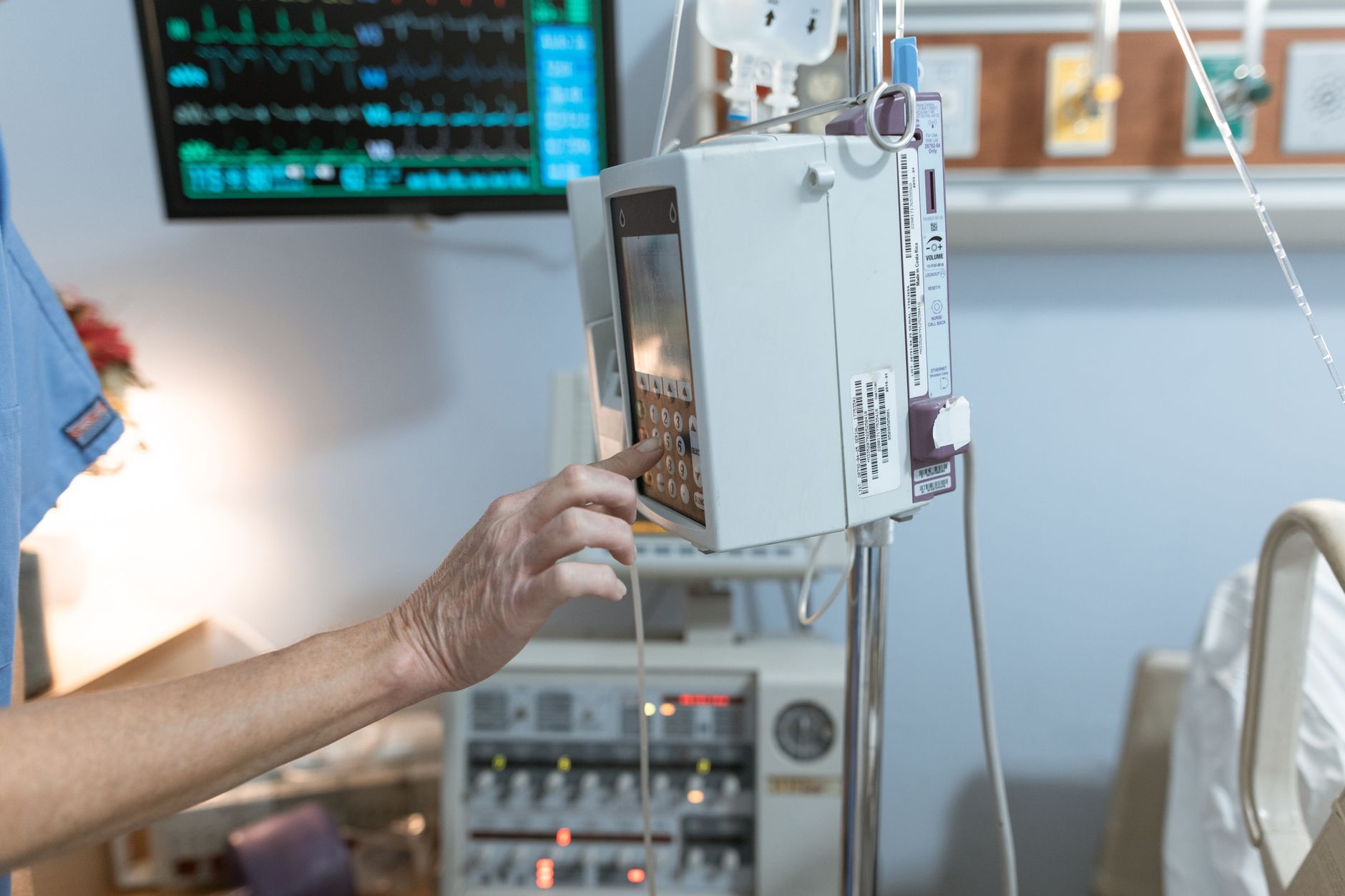

cancer treatment costs are a significant concern for many patients. Recent discussions in parliament highlight the ongoing issues of drug pricing and specialist shortages.
Overview of Cancer Treatment Costs
Cancer treatment costs have become a significant concern for patients and healthcare systems worldwide. The financial burden associated with various treatment options can be overwhelming, leading many to question whether the proven options are worth the investment.
According to recent discussions held by a parliamentary panel, several factors contribute to the escalating costs of cancer treatments:
- Drug Prices: The prices of cancer medications continue to rise, making it difficult for patients to afford necessary treatments.
- Specialist Shortage: A lack of qualified specialists can lead to delayed treatments, which may increase overall medical expenses.
- Advanced Technology: While innovative therapies can improve outcomes, they often come with a hefty price tag.
As healthcare professionals and policymakers grapple with these issues, patients are left to navigate a complex landscape where cancer treatment costs can dictate the quality of care they receive. Understanding these financial implications is crucial for informed decision-making regarding treatment options.
Impact of Drug Prices on Patients
The rising cost of cancer treatment is a pressing concern for many patients and their families. As drug prices continue to escalate, the financial burden on individuals seeking effective therapies becomes increasingly significant. This financial strain can lead to difficult decisions regarding treatment options and overall health outcomes.
Patients often face the dilemma of choosing between proven treatments that come with high price tags and alternative therapies that may not be as well-validated. In many cases, insurance coverage is limited, leaving patients to cover a substantial portion of their treatment costs out of pocket.
Several factors contribute to the high costs of cancer medications, including:
- Research and development expenses
- Market exclusivity periods for new drugs
- High competition among pharmaceutical companies
Moreover, the lack of transparency in drug pricing further complicates the decision-making process for patients. As the Parliament panel highlighted, addressing these issues is crucial for ensuring that effective cancer treatment remains accessible and affordable for all. Ultimately, understanding the impact of drug prices on patients is vital in evaluating the worth of cancer treatment options.
Specialist Shortage and Its Consequences
The shortage of medical specialists in oncology has become a pressing issue that directly affects cancer treatment costs. With fewer qualified professionals available, patients often face longer wait times for consultations and treatments, which can lead to worse health outcomes.
As the demand for cancer care continues to rise, the consequences of this specialist shortage include:
- Delayed Diagnoses: Patients may experience delays in receiving critical diagnoses, which can lead to more advanced stages of cancer by the time treatment begins.
- Increased Treatment Costs: Delays often result in the need for more aggressive and expensive interventions, raising overall cancer treatment costs for patients and healthcare systems alike.
- Limited Access: Geographic disparities in access to cancer specialists can leave patients in rural areas with fewer options, forcing them to travel long distances for care.
These challenges highlight the need for strategic investments in oncology training and resources to mitigate the impact of the specialist shortage on cancer treatment costs and patient outcomes.
Government Response to Healthcare Challenges
In response to the growing concerns over cancer treatment costs, government officials have convened to address the pressing issues affecting patients and healthcare providers. Recent discussions highlighted the importance of finding sustainable solutions that ensure access to necessary treatments without imposing exorbitant financial burdens on patients.
One of the key points raised during the parliamentary panel meeting was the need for regulatory reforms aimed at controlling drug prices. Many representatives emphasized that high costs of cancer medications often lead to difficult choices for patients, sometimes forcing them to forgo treatment altogether.
Additionally, the shortage of medical specialists was identified as a significant barrier to effective cancer care. The government is being urged to invest in training programs to increase the number of oncologists and related healthcare professionals, thereby improving patient access to timely treatment.
Furthermore, the panel discussed potential collaborations with pharmaceutical companies to develop innovative pricing models that could alleviate the financial strain on patients. As these discussions progress, the government aims to implement strategies that could ultimately lower cancer treatment costs while maintaining high standards of care.
Future of Cancer Treatment Accessibility
The future of cancer treatment accessibility hinges on several key factors that could redefine how patients receive care. As the conversation around cancer treatment costs evolves, there is a growing need for innovative solutions that ensure affordability and availability.
One major aspect is the incorporation of technology into treatment plans. Telemedicine and digital health solutions are increasingly being adopted, offering patients easier access to specialists without the burden of travel expenses. This shift could help alleviate some of the financial strain associated with traditional in-person consultations.
Additionally, collaborations between pharmaceutical companies and healthcare providers may lead to more competitive pricing for essential medications. Such partnerships are vital in addressing the rising costs of cancer treatments, which can place an overwhelming financial burden on patients and their families.
Furthermore, advocacy for policy changes that focus on price transparency and patient protections could foster a more equitable healthcare landscape. Engaging stakeholders in meaningful dialogue will be crucial in finding sustainable solutions that improve accessibility to cancer treatments for all individuals, regardless of their financial circumstances.
Photo by https://kaboompics.com/ on Pexels