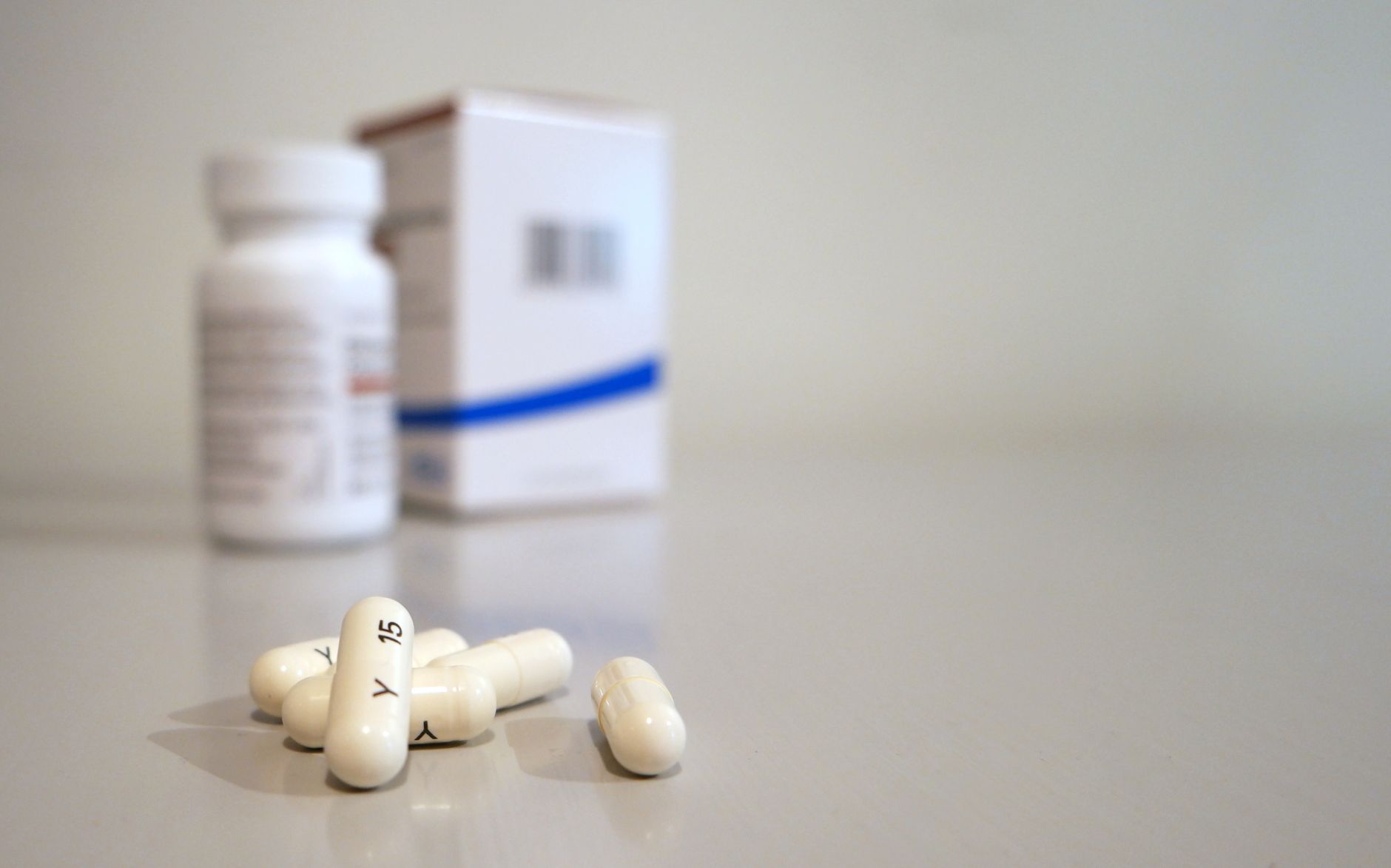
anti-cancer drug prices have recently been slashed under TMR, providing relief for patients and healthcare providers alike. This reduction covers 543 formulations, making treatment more accessible.
Overview of NPPA’s Price Reductions
The National Pharmaceutical Pricing Authority (NPPA) has made significant strides in reducing the prices of anti-cancer drugs, benefiting patients across the country. In its recent announcement, the NPPA released the prices of 543 anti-cancer formulations under the Drug Price Control Order (DPCO), with reductions reaching as high as 90%. This move aims to make essential medications more accessible to those battling cancer.
Among the various formulations, several high-cost drugs remain unaffected by these reductions, highlighting a mixed outcome in the fight against exorbitant anti-cancer drug prices. Nonetheless, the reductions are expected to bring substantial savings for patients who previously struggled with the financial burden of their treatments. The NPPA’s efforts align with ongoing initiatives to enhance affordability and ensure that life-saving therapies are within reach for all.
As the healthcare community continues to advocate for lower medication costs, the NPPA’s price cuts are a positive step toward alleviating some of the economic pressure associated with cancer treatment. The focus on reducing anti-cancer drug prices is particularly crucial, given the rising incidence of cancer and the increasing number of patients requiring urgent medical assistance.
- 543 anti-cancer formulations have been reviewed.
- Price reductions of up to 90% implemented.
- Some high-priced drugs remain unchanged.
Impact on Patients and Healthcare Providers
The recent price reductions in anti-cancer drugs have significant implications for both patients and healthcare providers. With the NPPA releasing the prices of 543 anti-cancer formulations, many patients may now afford treatments that were previously out of reach due to exorbitant costs.
For patients, the drop in anti-cancer drug prices means:
- Increased Access: More patients can begin or continue their treatment without the burden of overwhelming financial strain.
- Improved Adherence: Lower costs can lead to better adherence to treatment regimens, as patients are less likely to skip doses due to cost concerns.
- Enhanced Quality of Life: As patients receive timely treatments, their overall health and well-being can improve, leading to better outcomes.
Healthcare providers also stand to benefit from these changes:
- Streamlined Care: With reduced prices, providers can focus more on treatment efficacy rather than financial barriers.
- Better Patient Relationships: Providers can build trust with patients by offering affordable options, leading to stronger patient-provider relationships.
- Resource Allocation: Cost savings can allow healthcare systems to allocate resources more effectively, directing funds towards other critical areas of care.
The overall impact of the NPPA’s price adjustments illustrates a positive shift in the landscape of oncology treatment, promising a brighter future for patients and healthcare providers alike.
List of Anti-cancer Formulations Affected
The recent announcement by the National Pharmaceutical Pricing Authority (NPPA) has brought significant changes to the pricing landscape of several anti-cancer drug formulations. The following is a list of some key anti-cancer formulations affected by these price reductions:
- Cyclophosphamide – A commonly used drug in chemotherapy, known for its effectiveness in treating various cancers.
- Capecitabine – This oral chemotherapy medication has seen a substantial decrease in price, making it more accessible for patients.
- Docetaxel – Often used in the treatment of breast and lung cancer, its reduced cost is expected to improve patient compliance.
- Gemcitabine – A vital treatment for pancreatic cancer, this formulation’s price drop will likely lead to better treatment outcomes.
- Imatinib – Known for its role in treating chronic myeloid leukemia, the new pricing aims to alleviate financial burdens on patients.
- Paclitaxel – Its significant price cut positions it as a more viable option for patients requiring this essential medication.
These reductions are part of a broader effort to lower anti-cancer drug prices, ensuring that more patients have access to life-saving treatments. The NPPA’s initiative reflects a commitment to enhancing healthcare affordability and accessibility for those battling cancer.
Comparison with High-Priced Drugs
The recent price reductions implemented by the National Pharmaceutical Pricing Authority (NPPA) have drawn a stark contrast with the persistent high prices of certain anti-cancer drugs. While the NPPA has announced significant cuts—up to over 90%—on 543 anti-cancer formulations, many high-priced drugs remain unaffected, raising questions about accessibility and affordability in cancer treatment.
Patients relying on these high-priced anti-cancer drugs continue to face financial burdens that can hinder their treatment decisions. The disparity in pricing highlights a critical issue within the healthcare system, as the average cost of newer, innovative therapies can exceed thousands of dollars per month. This situation leads to a growing debate about the ethical implications of drug pricing, particularly for life-saving medications.
Some of the most notable comparisons include:
- Generic Versions: Many of the newly priced formulations are generics, which have become significantly more affordable.
- Brand-Name Drugs: In contrast, established brand-name anti-cancer drugs still command high prices, despite the availability of effective alternatives.
- Access to Treatment: The price drop is expected to improve access for many patients who previously faced financial barriers to necessary therapies.
As the conversation surrounding anti-cancer drug prices evolves, the hope is that continued advocacy will lead to greater transparency and fairness in the pharmaceutical market.
Government Regulations on Drug Pricing
The recent initiative by the National Pharmaceutical Pricing Authority (NPPA) has introduced significant regulations aimed at reducing anti-cancer drug prices. These regulations are part of a broader framework designed to ensure that essential medications remain accessible to patients in need.
One of the key components of these regulations is the implementation of a price control mechanism, which allows the government to set maximum retail prices for various anti-cancer formulations. This move is expected to enhance affordability and encourage more patients to seek necessary treatments without the burden of exorbitant costs.
Additionally, the NPPA has emphasized transparency in the pricing process, mandating companies to disclose their pricing structures. This transparency is crucial for patients and healthcare providers to understand the costs associated with different anti-cancer drugs, empowering them to make informed choices.
Moreover, the government is closely monitoring the market to prevent price gouging and ensure compliance with the new pricing regulations. Failure to adhere to these guidelines can lead to penalties for pharmaceutical companies, further reinforcing the commitment to maintaining reasonable anti-cancer drug prices.
As a result of these regulations, it is anticipated that patients will experience significant savings on their treatment costs. With the price cuts of up to over 90% on numerous formulations, the NPPA’s efforts are a substantial step towards making life-saving medications more affordable for all.
Future of Anti-cancer Drug Pricing
The future of anti-cancer drug pricing appears to be shifting towards a more sustainable model, driven by recent price reductions and the growing emphasis on patient access. As the National Pharmaceutical Pricing Authority (NPPA) continues to implement its price cut initiatives, there is a palpable sense of optimism among healthcare providers and patients alike.
With the NPPA’s recent announcement of price reductions on 543 anti-cancer formulations, some by over 90%, the landscape of cancer treatment is evolving. This substantial decrease in prices could lead to increased competition among pharmaceutical companies, potentially resulting in a wider range of affordable options for patients.
However, the future is not without challenges. While the reductions are significant, the prices of high-priced drugs remain largely unchanged, raising concerns about the disparity in treatment accessibility. The ongoing dialogue regarding government regulations on drug pricing will play a crucial role in shaping the market.
Furthermore, as more anti-cancer drug prices decrease, it will be essential to monitor the long-term effects on research and development within the pharmaceutical industry. Companies may need to find a balance between innovation and affordability.
Ultimately, the trajectory of anti-cancer drug prices will depend on continued advocacy for policy reforms that prioritize patient needs while ensuring the sustainability of drug development. The collective efforts of government agencies, healthcare providers, and patients will be vital in navigating this complex landscape.
Reactions from the Pharmaceutical Industry
The recent announcement by the National Pharmaceutical Pricing Authority (NPPA) regarding significant price reductions for anti-cancer drugs has elicited a variety of reactions from the pharmaceutical industry. Many companies have expressed concern over the implications of these price cuts on their revenue and future investments in research and development.
Industry representatives argue that while the intention behind lowering anti-cancer drug prices is commendable, it may lead to unintended consequences. Pharmaceutical companies have stated:
- “Sustainable pricing is essential for innovation and the development of new therapies.”
- “These drastic cuts could jeopardize our ability to invest in groundbreaking research.”
Furthermore, some companies have pointed out that the price reductions could disproportionately affect smaller firms, which may not have the resources to absorb such changes. A spokesperson for a leading pharmaceutical manufacturer noted:
- “We fully support making medications more accessible, but we must also ensure that the market remains viable for all players.”
On the other hand, some industry experts argue that the long-term benefits of lower anti-cancer drug prices will ultimately outweigh the immediate challenges faced by pharmaceutical companies. They suggest that increased access may lead to greater patient adherence and improved health outcomes, potentially reducing overall healthcare costs.
Conclusion on NPPA’s Pricing Strategy
In conclusion, the recent pricing strategy implemented by the National Pharmaceutical Pricing Authority (NPPA) marks a significant shift in the landscape of anti-cancer drug prices. By reducing the prices of 543 anti-cancer formulations by up to 90%, the NPPA aims to improve accessibility for patients who desperately need these life-saving medications. This initiative not only addresses the financial burden on patients and healthcare providers but also sets a precedent for future drug pricing policies.
The NPPA’s approach demonstrates a commitment to ensuring that essential medicines are available at reasonable prices, particularly for critical conditions like cancer. By focusing on generic formulations and essential drugs, the strategy targets the most expensive therapies while leaving high-priced drugs largely untouched, which raises questions about the long-term sustainability of such pricing models.
As stakeholders in the pharmaceutical industry react to these changes, it is crucial to monitor the impact on research and development. While lower anti-cancer drug prices may lead to increased patient access, they could also affect the financial viability of pharmaceutical companies that invest heavily in drug innovation.
Ultimately, the success of NPPA’s pricing strategy will depend on its ability to balance affordability with the need for ongoing investment in new therapies. Continued dialogue among patients, healthcare providers, and industry leaders will be essential to navigate this evolving landscape of drug pricing.
Recent studies have shown that when patients adhere to prescribed treatments, anti-cancer drug prices can lead to significant long-term healthcare savings. As a result, many healthcare providers are advocating for policies that could further reduce anti-cancer drug prices for patients in need.
Read the original
You might also like
Biogen Inc. stock news: The Best Proven Insights · Are Injectable Aesthetic Products the Best Choice for You? · Cancer medicine prices: Clear drop of up to 70% expected